
Industrial Automation Solutions Driving Growth for Texas Businesses
Texas has long been recognized as a hub for manufacturing, energy, logistics, and industrial innovation. As businesses face increasing pressure to improve productivity, manage costs, and remain competitive, many are turning to industrial automation solutions to modernize operations and unlock new growth opportunities.
Overview
Texas has long been recognized as a hub for manufacturing, energy, logistics, and industrial innovation. As businesses face increasing pressure to improve productivity, manage costs, and remain competitive, many are turning to industrial automation solutions to modernize operations and unlock new growth opportunities.
From manufacturing facilities in Dallas and Houston to distribution centers across the state, organizations are adopting advanced technologies to streamline workflows, reduce manual intervention, and gain better visibility into their operations. The result is greater efficiency, improved decision-making, and stronger business performance.
As market demands continue to evolve, investing in industrial automation is becoming less of a competitive advantage and more of a business necessity.
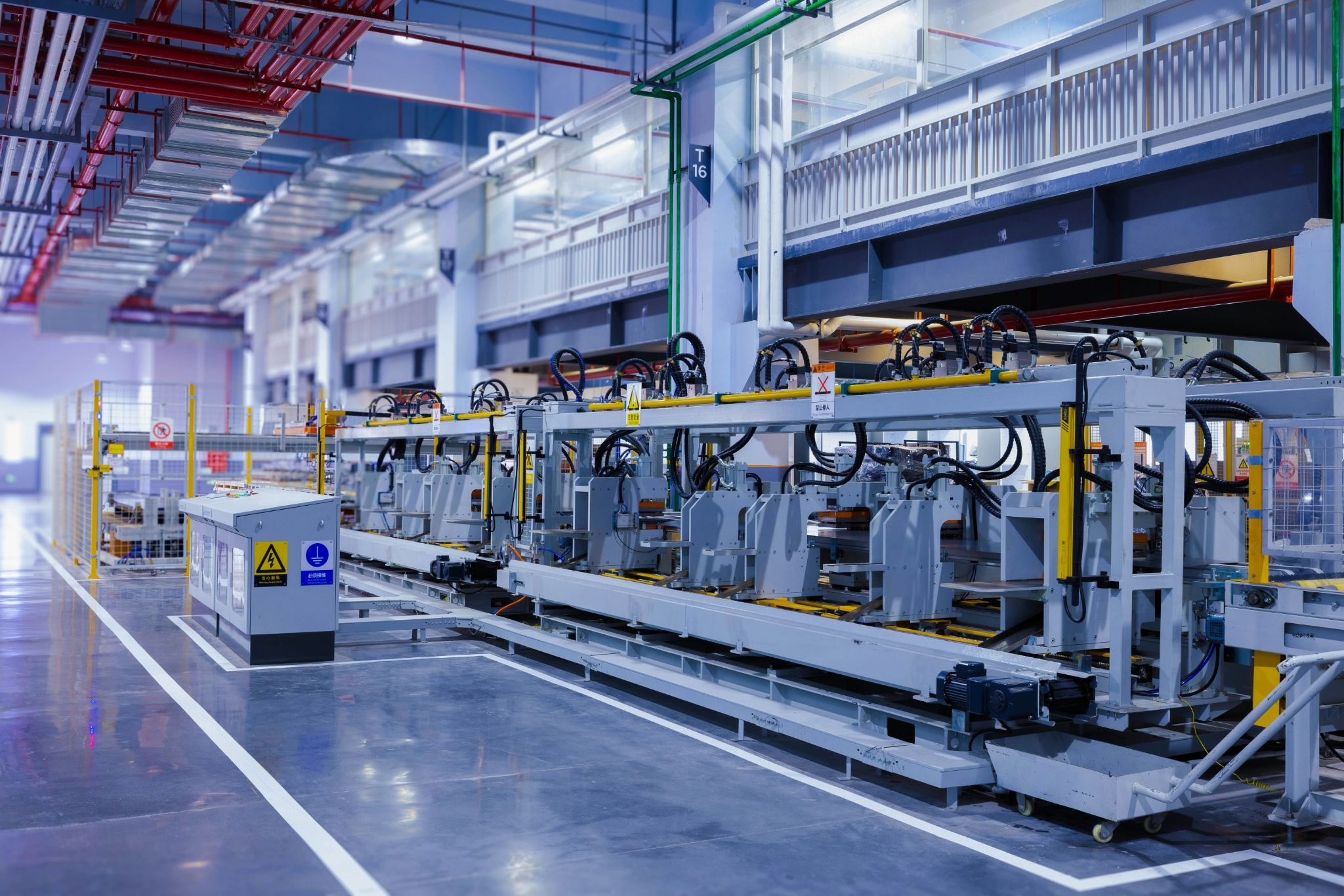
Why Industrial Automation Is Gaining Momentum in Texas
The business environment in Texas is highly competitive. Companies are constantly searching for ways to improve operational efficiency while controlling costs. Labor shortages, increasing customer expectations, and rising operational expenses have accelerated the adoption of automation solutions across multiple industries.
Industrial automation enables businesses to:
Reduce repetitive manual tasks
Improve process consistency
Increase production efficiency
Enhance workplace safety
Minimize operational downtime
Generate actionable business insights
Organizations that embrace automation are often better positioned to scale operations while maintaining profitability.
Key Challenges Facing Modern Businesses
Many Texas businesses still rely on outdated processes that limit productivity and create operational bottlenecks.
Common challenges include:
Manual Workflows
Employees often spend valuable time performing repetitive tasks that could be automated, reducing overall productivity.
Limited Operational Visibility
Without real-time monitoring and reporting, decision-makers may struggle to identify inefficiencies and respond quickly to issues.
Rising Operating Costs
Labor, maintenance, and resource costs continue to increase, putting pressure on profit margins.
Inconsistent Performance
Manual processes can introduce errors, delays, and quality issues that impact customer satisfaction and operational efficiency.
These challenges highlight why businesses are increasingly investing in industrial automation solutions to support long-term growth.
How Industrial Automation Solutions Drive Growth
Modern automation technologies provide organizations with the tools needed to optimize operations and improve business outcomes.
Improved Productivity
Automation eliminates many repetitive tasks, allowing employees to focus on higher-value activities. Production lines, monitoring systems, and business processes can operate more efficiently with minimal human intervention.
Reduced Downtime
By automating critical operational processes and monitoring equipment performance, businesses can identify potential issues before they lead to costly disruptions.
Better Decision-Making
Automated systems generate real-time data that helps leadership teams make informed decisions based on accurate operational insights.
Enhanced Scalability
As organizations grow, automated systems can handle increased workloads without requiring significant increases in staffing or operational complexity.
Increased Profitability
Greater efficiency, lower operating costs, and improved resource utilization contribute directly to stronger financial performance.
For many Texas organizations, industrial automation has become a strategic investment rather than simply a technology upgrade.
Real-World Applications Across Texas Industries
The impact of industrial automation solutions extends across numerous industries throughout Texas.
Manufacturing
Manufacturers use automation to optimize production processes, monitor equipment performance, and improve quality control. Automated systems help reduce waste while increasing production capacity.
Logistics and Distribution
Distribution centers leverage automation technologies to streamline inventory handling, warehouse operations, and shipment tracking.
Energy and Utilities
Energy providers use automation to monitor assets, improve operational reliability, and enhance resource management across complex infrastructure networks.
Food and Beverage
Automation supports production consistency, regulatory compliance, and quality assurance while helping organizations meet growing customer demand.
Oil and Gas
Texas remains a leader in the oil and gas sector, where industrial automation helps improve safety, monitor equipment performance, and optimize field operations.
Across these industries, businesses are leveraging automation to improve efficiency and strengthen their competitive position.
Choosing the Right Automation Company
Implementing automation successfully requires more than technology alone. Businesses need a trusted automation company that understands operational challenges and can develop solutions aligned with business objectives.
When evaluating technology partners, organizations should consider:
Industry Experience
Choose a provider with experience delivering automation projects across relevant industries.
Custom Solutions
Every business operates differently. Effective automation strategies should be tailored to specific operational requirements.
Scalability
Technology investments should support future growth and evolving business needs.
Integration Capabilities
Automation systems should integrate seamlessly with existing business applications and infrastructure.
Ongoing Support
Long-term success requires reliable support, maintenance, and continuous optimization.
The right partner can help businesses maximize return on investment while minimizing implementation risks.
The Future of Industrial Automation in Texas
Industrial automation continues to evolve as businesses seek smarter ways to operate. Emerging technologies are enabling organizations to achieve even greater efficiency, visibility, and control.
Future trends include:
Intelligent process automation
Predictive maintenance systems
Advanced analytics and reporting
Real-time operational monitoring
Connected industrial environments
Data-driven optimization strategies
As these technologies mature, businesses that invest early will be better positioned to adapt to market changes and maintain a competitive advantage.
Texas organizations that embrace automation today are laying the foundation for sustainable growth in the years ahead.
Partner with E Software Solutions
At E Software Solutions, we help businesses across Texas modernize operations through innovative industrial automation solutions designed to improve efficiency, reduce costs, and support long-term growth.
Whether you are looking to streamline workflows, improve operational visibility, or accelerate digital transformation initiatives, our team can develop tailored solutions that align with your business goals.
Contact our team today to explore how automation can help your organization achieve greater operational success.